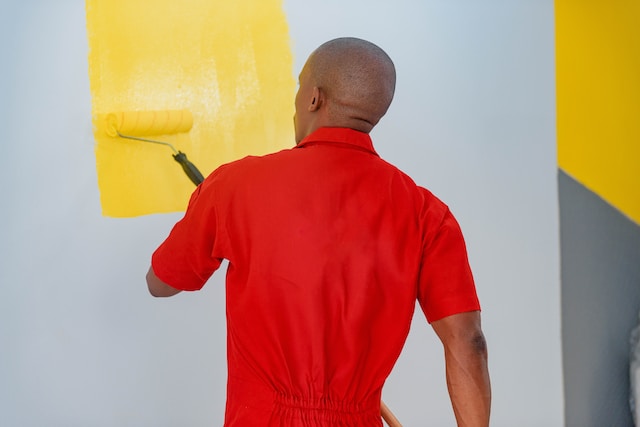
Finding moments of tranquility and peace has become increasingly important in today’s fast-paced world. One effective way to achieve this is by creating a serene space in our surroundings. While many factors contribute to the ambiance of a room, color psychology plays a significant role in influencing our emotions and promoting a sense of calm. In this article, we will delve into the fascinating world of color psychology in painting, and explore how the careful selection and utilization of colors can transform a space into a haven of serenity.
Understanding Color Psychology
Colors have a profound impact on our emotions and can evoke various psychological responses. Color psychology, the study of how colors affect human behavior and perception, helps us understand the power of different hues in creating specific moods and atmospheres. By harnessing this knowledge, painters can effectively manipulate colors to evoke desired emotions within a space.
Creating Serenity Through Color
When it comes to creating a serene space, color selection is key. Certain colors are commonly associated with tranquility and calmness, making them ideal choices for fostering a peaceful environment.
Blue, with its soothing symbolism and calming effects, is often considered the epitome of serenity. Its cool tones can evoke a sense of relaxation and tranquility. Similarly, green, which is closely connected to nature, carries a serene and tranquil energy, making it ideal for creating a peaceful ambiance. Additionally, white, with its connotations of purity, simplicity, and spaciousness, can contribute to a serene space by providing a clean and uncluttered backdrop.
Techniques for Using Color in Painting
In painting, the techniques used to apply color can greatly influence the overall ambiance of a space. Establishing a well-thought-out color palette is crucial. By carefully selecting a range of colors that harmonize with one another, painters can create a balanced and visually pleasing composition. Furthermore, the skilled use of light and shade can enhance the ambiance, creating depth and tranquility within a painting.
The Impact of Warm and Cool Colors
Understanding the differences between warm and cool colors is essential when aiming to create a serene space. Warm colors, such as shades of red, orange, and yellow, can evoke feelings of energy and coziness. When used sparingly, they can add warmth to a room without overwhelming the senses. On the other hand, cool colors, such as blues and greens, have a calming and soothing effect. Incorporating these cool tones into a space can promote relaxation and serenity. Achieving a balance between warm and cool colors is crucial to strike the right atmosphere.
The Role of Neutrals and Pastels
Neutrals, such as beige, gray, and taupe, provide a calm and balanced backdrop in any space. They can serve as a foundation for other colors and help create a serene atmosphere. Pastel colors, known for their softness and gentle appeal, can also contribute to a tranquil space. Incorporating soft pinks, lavenders, and mint greens can bring a sense of serenity and tranquility to any room.
Impact of Color Combinations
Color combinations play a crucial role in creating a harmonious and serene space. Complementary colors, which are opposite each other on the color wheel, can create contrast and balance. Analogous colors, which are adjacent on the color wheel, provide a unified and cohesive look. Monochromatic colors, featuring different shades and tints of a single hue, offer simplicity and tranquility.
Psychological Factors to Consider
While color psychology provides general guidelines, personal associations and cultural influences also play a role in individual responses to colors. It is essential to consider these factors when selecting colors for a serene space. Understanding personal preferences and associations can ensure that the chosen colors resonate with the individual, creating a space that truly promotes serenity and well-being.
Conclusion
Color psychology in painting offers a powerful tool for creating serene spaces that promote calmness, tranquility, and emotional well-being. By understanding the influence of colors on human emotions and utilizing techniques such as color selection, harmony, and balance, painters can transform any space into a haven of serenity. Whether it’s through the soothing effects of blues and greens or the purity of whites and neutrals, the exploration of color psychology in painting opens doors to a world of serenity and peace. So, let your artistic expression soar and create a serene space that nourishes the mind, body, and soul.